AI Belongs in the Workflow Only After the Workflow Is Rebuilt for It

Brands are racing to add AI as audiences sour on AI-made content. 1021 Creative's Alison Murdock says redesign the invisible work first and keep the human voice audiences trust.
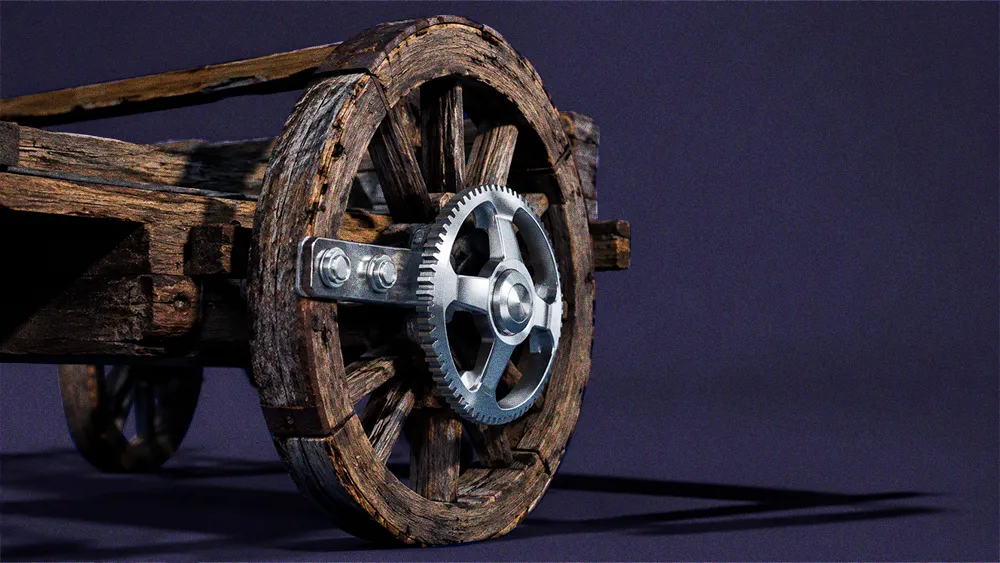
We cannot fit AI into a team of 20 marketers and expect it to work evenly. Every single thing needs to be rethought around accelerating output while still ensuring every automated step points back to the same core strategy.


If this caught your attention, that’s not accidental.

The best editorial systems don’t happen by accident. Outlever builds them.


Half of US consumers now say they would rather buy from a brand that keeps generative AI out of its customer-facing work, even as brands race to put AI into every corner of their marketing. Speed and trust, it turns out, do not come bundled. The brands treating AI as a bolt-on are the ones about to find that out the hard way.
Alison Murdock, CEO of 1021 Creative, runs a cultural intelligence firm with experts embedded across 44 countries, tracking how trends move through local subcultures before they reach the mainstream. Her position on AI is that adoption is what most brands get wrong, and speed is not the problem. They cannot bolt the technology onto their existing process and expect it to hold. "We cannot fit AI into a team of 20 marketers and expect it to work evenly," she says. "Every single thing needs to be rethought around accelerating output while still ensuring every automated step points back to the same core strategy."
Redesign the work before adding the AI
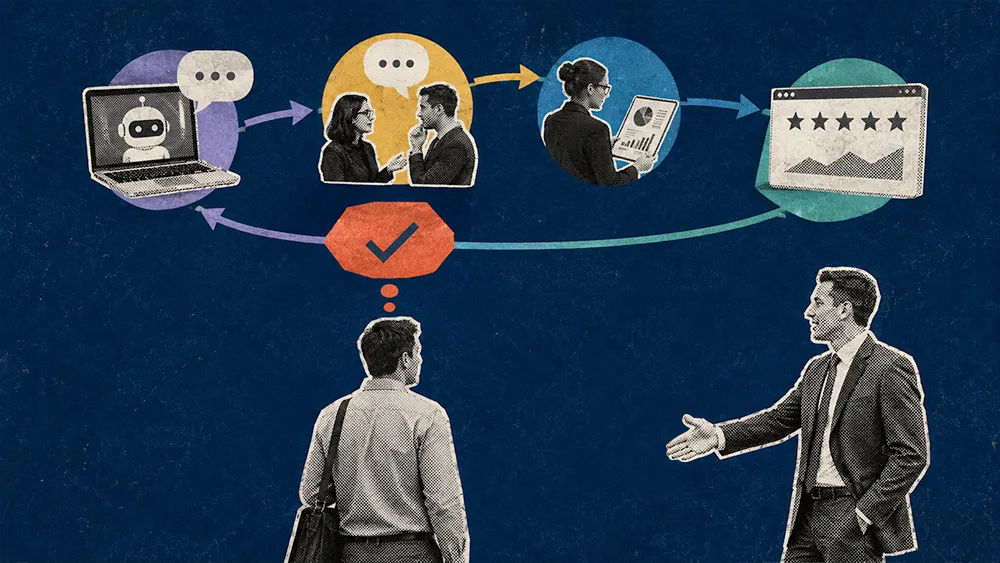
The mistake Murdock sees is treating AI as a layer dropped on top of an existing team. Applied that way, the results are uneven because the underlying workflows were built for people, not for a mix of people and agents. Her fix is to go task by task and ask what can actually be sped up, treating it as a question of how the work is built, not which tool to buy. She is quick to clarify the true intent: this isn’t about replacing talent, but elevating it. It is a rethink of every step the team already runs, identifying where automation can unlock speed without costing quality.
Some of that sorting answers itself once the question is put the right way. An hour-long conversation that ends in agreement, she notes, can become a brief the team reviews rather than a draft from scratch, a clean case of AI compressing a step without owning the judgment within it. The gains show up when the redesign is deliberate, which is also why the marketing ramp is compressing for teams that rebuilt their process around the tools instead of squeezing the tools into the old one.
The helper model decides where AI belongs
The frame Murdock keeps returning to is AI as a helper operating inside constraints. "AI should be viewed as a helper," she says. "Go do this job for me, and let's make sure you did a good job." The check at the end is what makes the speed safe to use. She describes companies running AI-generated ads inside brand guidelines, which lets them experiment fast for exactly that reason: the boundaries are set in advance, and a person confirms the output before it ships.
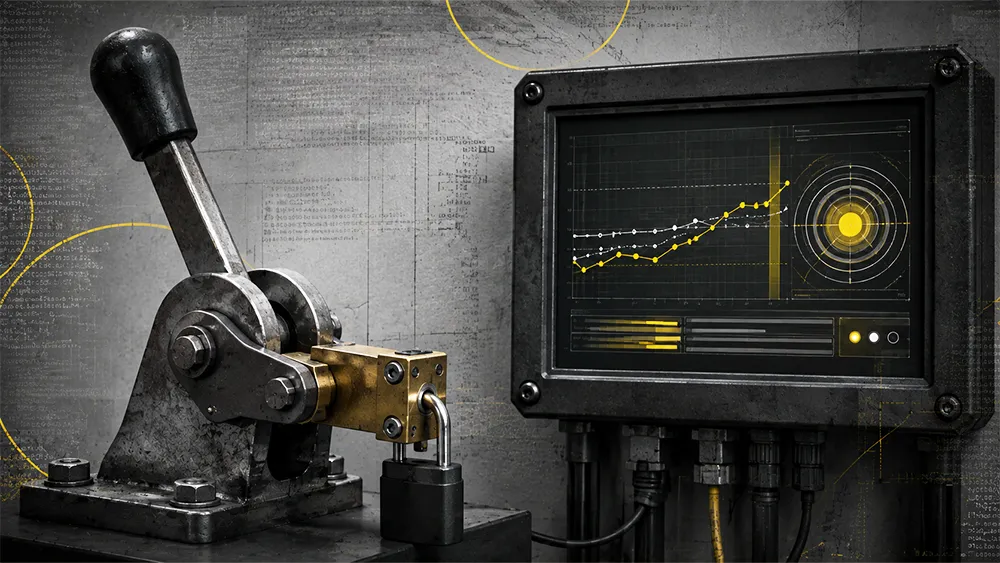
That guardrail is a way to decide where AI speeds up the invisible work: research, briefing, localization drafts, versioning, first-pass review. What it protects is the human voice audiences are asked to trust. In practice, the work sorts into three tiers. Low-risk internal tasks like synthesis and transcription can run on AI freely. Anything customer-facing needs human approval, from brand voice to creator representation to cultural references. And the highest-risk work escalates to a human reviewer with the authority to stop publication: cultural signal validation, audience sensitivity alignment, metadata compliance, or brand safety.
Agents, in Murdock's view, are the less settled version of this, because the question of who supervises them is still new, and the person accountable for the result has not moved.
Protecting trust first
The reason the redesign matters is that it protects what matters at the point of contact. The advantage creators hold is that audiences believe them: 58% of US adults have bought something on a creator's recommendation, a sign of how much influence creators can hold when an endorsement reads as a real voice inside a community rather than purchased attention. What Murdock observes is that AI content produced without that care runs at exactly this advantage. "People go, is that real? That's fake," she says. "And if it's fake, you've tarnished your brand somehow." The reflex is spreading, and it turns on a brand the moment the answer looks like no.
That is why she sees user-generated content having a renewed moment, as a counterweight to output that arrives too neat and too polished to feel human. Her example is Southwest Airlines bringing bands onto planes to make flying feel fun again: a live, unscripted moment that customers and employees both took and remixed, which is the kind of earned, participatory authenticity a generated asset cannot guarantee, because it depends on real people choosing to join in. For her, that makes brand safety frontline work: screening AI-generated material in creator partnerships and the UGC a brand amplifies. It is for the same reason that distinctive human brand assets are becoming a discoverability edge rather than a nicety.
AI can make a marketing team move faster. Trust moves at its own speed. The ones that pull it off will rebuild the invisible work around the technology and keep the human signals audiences actually believe right where the audience meets the brand.





Read what the room is reading.
New pieces for growth leaders, delivered as they publish. Unsubscribe whenever.